Compare Local Contractors for Gas Line Relocation Services
Compare local contractors for gas line relocation to define project scope, verify experience, and establish clear expectations for a successful job.
Gas line relocation projects typically involve the careful movement of existing gas piping to a new position on a property. This work can include assessing the current layout, planning the new route, and executing the physical transfer of the gas lines while ensuring compliance with safety standards. It may also involve coordinating with utility providers, obtaining necessary permits, and making adjustments to the property's infrastructure to accommodate the relocated lines. Proper planning and execution are essential to prevent service disruptions and maintain safety throughout the process.
Clearly defining the scope of work is a crucial step when working with contractors for gas line relocation. A well-outlined scope helps set mutual expectations, ensuring that all parties understand the extent of the work involved, including any necessary site assessments, trenching, pipe adjustments, and connection points. Documenting the scope in writing can help avoid misunderstandings, provide a basis for project planning, and serve as a reference if any issues arise later. Having a detailed scope also allows property owners to compare proposals more effectively, focusing on the specific services each contractor offers.
When evaluating local contractors for gas line relocation, property owners should consider experience, reputation, and the range of services provided. Gathering information about a contractor’s previous projects can offer insight into their familiarity with similar work and adherence to safety standards. Comparing how contractors define their scope of work, the details included, and the level of communication can help identify the most thorough and reliable service providers. Additionally, requesting references or reviews can provide perspectives from past clients, aiding in the decision-making process and ensuring that the chosen contractor is well-suited to handle the specific requirements of the project.
Compare local contractors by outlining your priorities, verifying experience, and setting clear expectations in writing.
- Compare Service Providers - evaluate multiple local contractors to find the best match for your gas line relocation needs.
- Define Project Scope - clearly outline the work requirements and expectations before hiring a contractor.
- Verify Experience - review the background and previous work of local contractors to ensure they are qualified.
- Document Agreements - put all project details and expectations in writing to prevent misunderstandings.

Clearly describe your gas line relocation project to help local contractors compare options and define the scope effectively.
- Verify the experience of local contractors in gas line relocation projects to ensure familiarity with safety standards and code compliance. - It is important to define the scope of work clearly in writing to prevent misunderstandings during the project.
- Compare multiple service providers to assess their qualifications, reputation, and approach to gas line relocation tasks. - Ensure that contractors have the necessary expertise to handle the specific requirements of relocating gas lines safely.
- Request detailed written estimates that outline the scope of work, materials, and responsibilities of each party involved. - Clarify expectations and prevent scope creep by having all details documented upfront.
- Check that service providers follow proper procedures for gas line shutdown, disconnection, and reconnection to maintain safety and compliance. - Proper handling of gas lines during relocation reduces the risk of leaks or accidents.
- Confirm that the scope of work includes obtaining any required permits or inspections from local authorities. - Understanding permit requirements helps ensure the project adheres to local building codes and regulations.
- Discuss and document the timeline and project milestones to set clear expectations for the completion of the gas line relocation. - Clear documentation of milestones helps track progress and ensures alignment between all parties involved.
Compare local contractors' experience and clarify scope to ensure smooth gas line relocation projects.
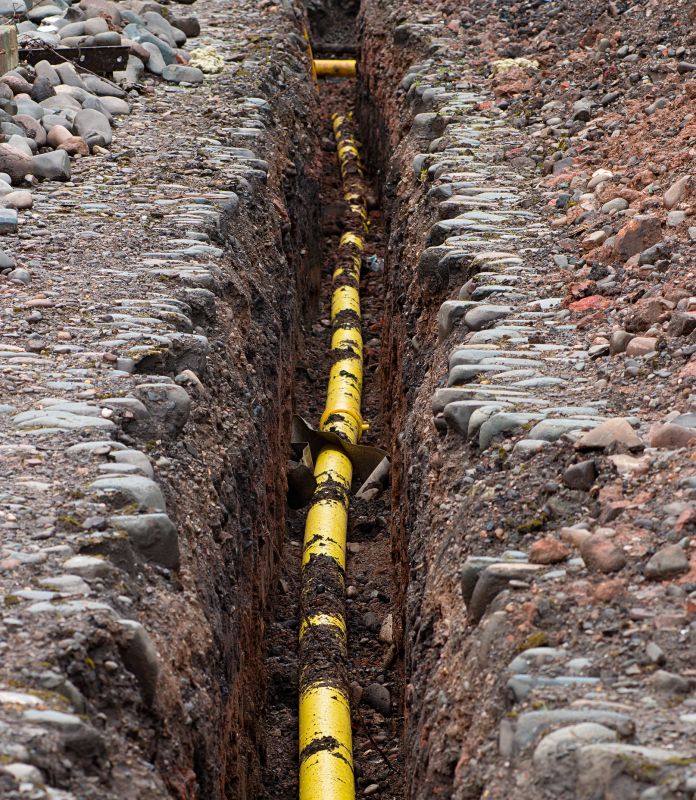
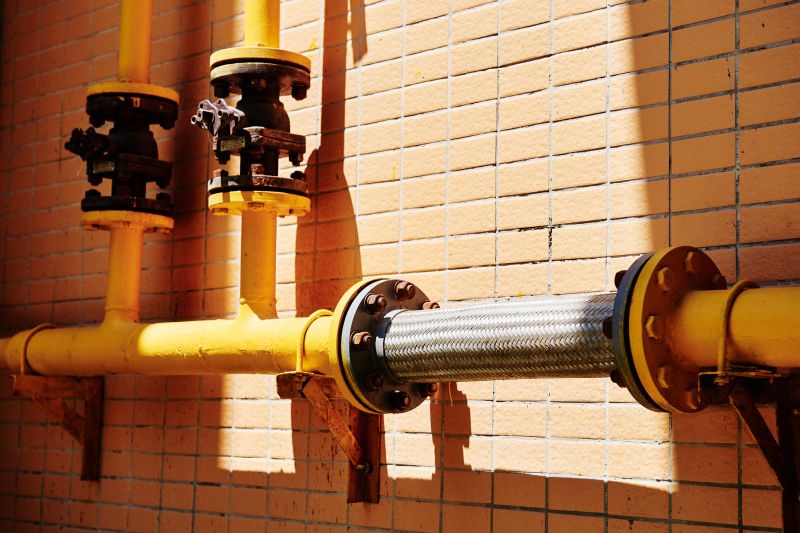
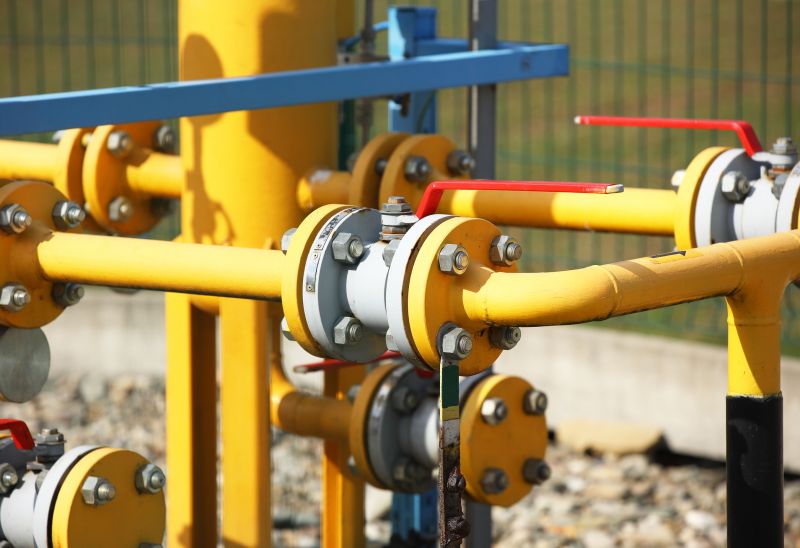
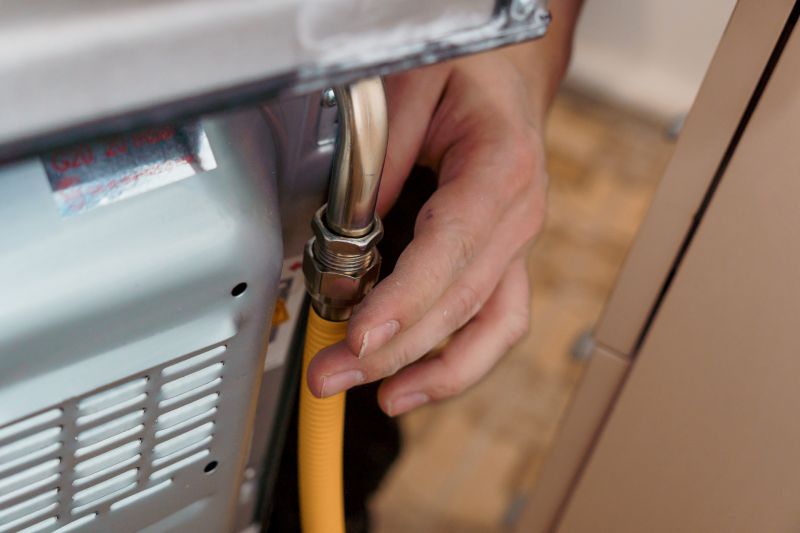
Use consistent comparison criteria to evaluate local contractors’ scope, experience, and written expectations for gas line relocation.
- Project Scope - Clearly define the extent of gas line relocation work required, including any additional modifications or connections needed.
- Material Specifications - Identify the types of pipes and fittings to be used to ensure compatibility with existing infrastructure.
- Work Area Details - Outline the specific locations and access points where the gas line will be relocated.
- Compliance Requirements - Specify any relevant codes, safety standards, or permits that the project must adhere to.
- Responsibility and Responsibilities - Establish the roles of the service provider and the property owner to clarify scope boundaries.
When comparing contractors for gas line relocation, it is important to consider their experience with similar projects. Homeowners should inquire about the types of gas line work the service providers have completed and seek details about past projects comparable in scope and complexity. Contractors with a proven track record in gas line rerouting or installation can demonstrate familiarity with common challenges and best practices, helping to ensure the work is performed safely and effectively.
A clear, written scope of work is essential when evaluating potential contractors. This document should outline specific tasks, materials to be used, and the overall process involved in the gas line relocation. A well-defined scope helps prevent misunderstandings and sets clear expectations for both parties. Homeowners should ask for detailed descriptions of the work to be done, and ensure that any assumptions or exclusions are explicitly stated in the agreement.
Verification basics involve confirming that contractors understand the technical requirements of gas line work and are knowledgeable about local codes and safety standards. While licensing and certification are not discussed here, homeowners should seek service providers who can articulate their approach to verifying existing line conditions, ensuring proper installation, and conducting tests or inspections. Asking about the steps taken to verify the integrity of the gas line before and after relocation can provide insight into the contractor’s thoroughness and professionalism.
Evaluating options without focusing on prices involves assessing the quality and clarity of proposals, the experience of the service providers, and their communication about the scope of work. Homeowners should compare written estimates or proposals to see how well each contractor understands the project’s requirements. Asking questions about their approach, experience, and the details included in their scope can help determine which service providers are best equipped to handle the job reliably and safely. This approach supports making an informed decision based on expertise and clarity rather than cost alone.
Request written scope and details from local contractors to ensure clear expectations and consistent work.
- Experience with Gas Line Relocation - How do contractors demonstrate their experience with similar gas line relocation projects?
- Scope of Work - What specific tasks and responsibilities are included in each contractor's scope for gas line relocation?
- Comparison of Services - How do local service providers' offerings and approaches to gas line relocation differ?
- Project Planning and Expectations - How will contractors define and document the project scope and expectations in writing?
- Qualifications and References - What qualifications or references can contractors provide to verify their expertise in gas line work?
What should I consider when choosing a contractor for gas line relocation? It's important to compare local contractors based on their experience, reputation, and scope of services to ensure they can meet the specific needs of the project.
How can I verify a contractor's experience with gas line relocation? You can review their previous work, ask for references, or check if they have relevant project history to confirm their expertise in gas line relocation.
Why is it important to define the scope of work in writing? Having a clear, written scope helps set expectations, prevents misunderstandings, and ensures all parties agree on the work to be completed.
What questions should I ask contractors before hiring for gas line relocation? Inquire about their experience, the methods they use, safety procedures, and how they handle unexpected issues during the project.
How do I compare different contractors for gas line relocation services? Consider their experience, scope of work, reputation, and the clarity of their proposals to determine which provider best suits the project requirements.
What is the best way to ensure a contractor understands my project needs? Clearly communicate your project details, ask for a written proposal, and confirm that all aspects of the scope are documented before proceeding.
Contractors for gas line relocation services vary in experience, scope, and approach. Learning how to compare local contractors, define the work needed, verify their background, and set clear expectations in writing can help ensure the process is straightforward. Taking the time to review these aspects can assist in finding service providers suited to specific project requirements.
Using the quote form allows for easy comparison of available local contractors, helping to identify options that align with individual needs. Connecting with multiple service providers through this method can support informed decisions when selecting a professional for gas line relocation work.