Spring Planning for Gas Line Capping Projects With Local Service Providers
Spring is an ideal time for property owners to connect with local contractors for gas line capping, ensuring safe, code-compliant updates as part of seasonal property refreshes.
Spring is an ideal time for property owners to consider gas line capping projects, as the season often signals a period of property refresh and preparation for the warmer months. With the transition from winter to spring, many individuals evaluate their outdoor and indoor utilities, ensuring safety and functionality before summer activities begin. Additionally, spring's milder weather makes it more practical to schedule outdoor work, such as capping unused gas lines that may have been dormant during the colder months, helping to prevent leaks or other issues as part of seasonal maintenance.
Gas line capping services typically cover the safe deactivation of unused or obsolete gas lines, ensuring they are properly sealed to prevent leaks or hazards. This process often involves inspecting the existing piping, securely sealing the line ends, and sometimes removing sections of piping if necessary. Property owners may also seek these services when preparing for renovations, upgrades, or when closing off certain appliances or fixtures that are no longer in use. Engaging experienced local contractors ensures that the work complies with safety standards and is completed efficiently.
When exploring options for gas line capping, property owners can compare local service providers by reviewing their experience, reputation, and the scope of services offered. It’s helpful to consider how each contractor approaches the work, including their methods for ensuring safety and compliance. Consulting with multiple local contractors allows for a clearer understanding of the different approaches available, making it easier to select a provider that aligns with the specific needs of the property. This comparison process supports informed decisions and helps ensure the work is performed by qualified professionals familiar with local codes and standards.
Compare local contractors' experience and expertise to find the right fit for your spring gas line capping project.
- Gas Line Capping Overview - Local contractors can safely cap unused gas lines to prevent leaks and ensure safety.
- Spring Maintenance Planning - Spring is an ideal time to review and address gas line needs as part of seasonal home upkeep.
- Professional Service Options - Qualified service providers offer expert gas line capping tailored to residential and commercial properties.
- Safety and Compliance - Ensuring proper gas line capping helps maintain safety standards and compliance with local regulations.
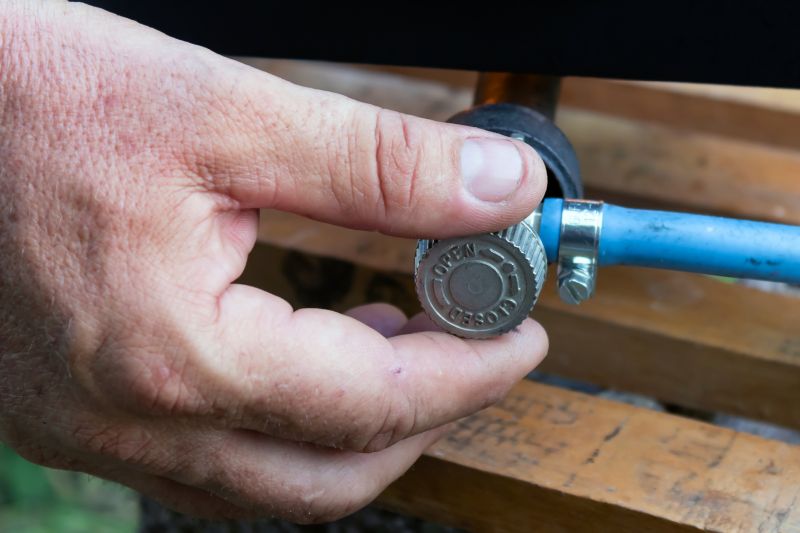
Clearly describe your gas line capping project to local contractors so they can help you compare options effectively.
- Inspect gas line caps for signs of corrosion or damage that may compromise safety. - Ensure that existing caps are securely fitted and properly sealed to prevent leaks.
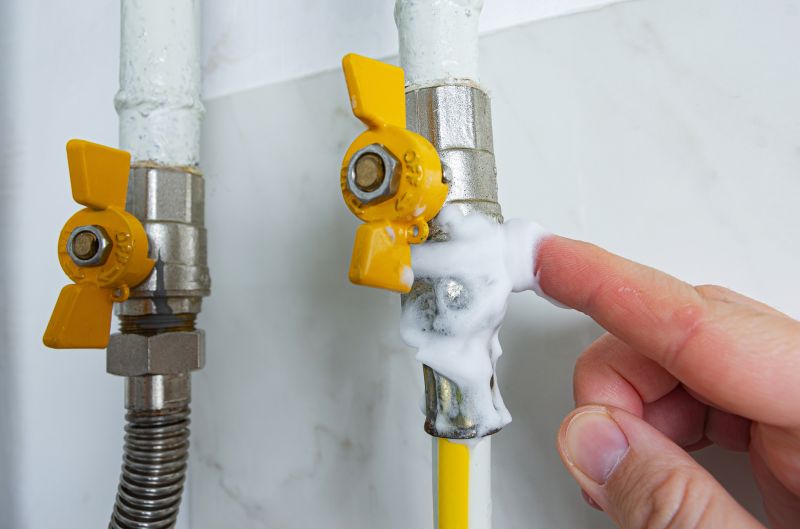
- Check for any visible leaks or unusual odors near capped gas lines during spring inspections. - Look for signs of gas escaping around capped connections, indicating potential issues.
- Verify that gas line caps are appropriate for the type of gas service in the property. - Confirm that caps meet local safety standards and are compatible with the existing gas system.
- Assess the condition of the surrounding area for debris or obstructions that could affect the capped line. - Clear away any debris to allow for easy access and inspection by service providers.
- Consider scheduling a professional inspection to ensure that gas line caps are properly installed and maintained. - Local contractors can evaluate the integrity of caps and perform necessary repairs or replacements.
- Review the overall gas line system to identify any other components that may need attention during spring upgrades. - Properly capped lines are part of a comprehensive approach to seasonal system readiness.
Use local contractors to explore gas line capping options that support your spring renovation plans.
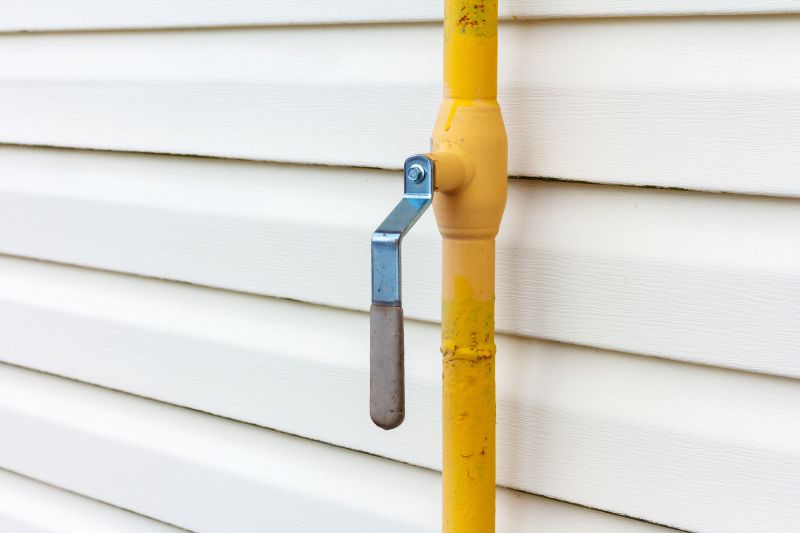
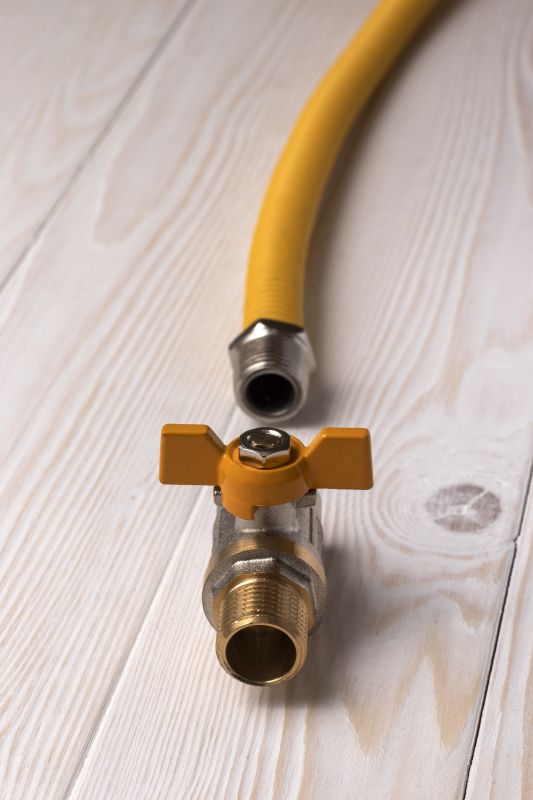
Prioritize your project needs and compare local contractors to find the best fit for your spring planning.
- Gas Line Inspection and Capping - Spring is a practical time to have local contractors inspect and safely cap unused gas lines to prevent leaks and ensure safety.
- Removing Old Gas Lines - Many homeowners consider capping and removing outdated or unused gas lines during spring renovations or upgrades.
- Spring Safety Checks - Service providers can evaluate existing gas lines and perform capping to prepare properties for seasonal use or upgrades.
- Gas Line Repair and Capping - Local contractors can handle repairs and capping of damaged or compromised gas lines as part of spring maintenance projects.
- Upgrading Gas Line Systems - Spring offers an opportunity to upgrade or replace old gas lines, with capping services provided by experienced local professionals.
Compare local contractors' approaches to gas line capping to ensure consistent quality across providers this spring.
- Identify the purpose of capping the gas line - determine whether the cap is for safety, abandonment, or future use.
- Select appropriate materials - choose durable, code-compliant caps suitable for the specific gas line type.
- Assess the location and accessibility - evaluate the site to ensure the cap can be installed securely and safely.
- Verify local building codes and regulations - ensure the capping process complies with all relevant standards and requirements.
- Coordinate with local contractors - contact experienced service providers to handle the capping process professionally.
When comparing service providers for gas line capping during the spring season, it is important to consider their experience with similar projects. Homeowners should look for local contractors who have a proven track record of successfully completing gas line modifications, including capping and decommissioning tasks. An experienced professional will be familiar with the common challenges that arise during such work and can provide insights into effective solutions. This background can help ensure the project proceeds smoothly, with fewer unexpected issues impacting the overall process.
Clarity in the scope of work is another key factor when evaluating options. Homeowners should seek service providers who can clearly outline what the gas line capping process involves, including any preparatory steps, the work to be performed, and post-completion considerations. A well-defined scope helps prevent misunderstandings and ensures that all parties share the same expectations. Clear communication about the work involved also facilitates better planning and coordination, especially when integrating the project with other springtime home improvements.
Work planning considerations are essential when selecting local contractors. Homeowners should inquire about how each service provider approaches scheduling, site preparation, and project sequencing. A professional who considers factors such as existing landscaping, access points, and safety precautions can help minimize disruptions and ensure the work aligns with seasonal conditions. Proper planning also involves understanding how weather and other spring-specific factors might influence the timeline and execution of the gas line capping.
Finally, evaluating options without focusing solely on pricing involves assessing the experience, scope clarity, and planning approach of each local contractor. Homeowners can consider the level of detail provided in project explanations, the professionalism of communication, and the ability to accommodate specific site conditions. Comparing these aspects can help identify service providers who are well-equipped to handle the job efficiently and reliably. This thoughtful approach supports making an informed decision aligned with the project’s seasonal context and specific needs.
Request written clarification from local contractors to ensure the scope of gas line capping meets your spring renovation plans.
- **Scope Clarification** - What specific tasks are included when comparing gas line capping services from different local contractors?
- **Provider Experience** - How do local service providers differ in their approach to gas line capping projects?
- **Material and Technique** - What types of materials and capping methods do local contractors typically use?
- **Service Coverage** - Do different providers offer additional services related to gas line safety or inspection?
- **Comparison Factors** - What criteria should be considered when evaluating the scope of work offered by local gas line capping specialists?
What is gas line capping? Gas line capping involves sealing off an unused or unsafe gas line to prevent leaks and ensure safety in your property.
Why consider gas line capping during spring? Spring is a good time to address gas lines as part of seasonal upgrades or preparations for outdoor projects, helping to ensure safety before summer activities.
How do local contractors handle gas line capping? Skilled service providers typically assess the gas line, shut off the gas supply, and securely install a cap to ensure the line is properly sealed and safe.
Is gas line capping a complex process? The process requires careful handling to avoid leaks or hazards, which is why it's recommended to have experienced local professionals perform the work.
What should I consider before having a gas line capped? It's important to have a clear understanding of the gas line's location and condition, and to consult with local contractors about the best approach for your property.
How can I find local experts for gas line capping? This service can be arranged through local service providers who specialize in gas line work, ensuring the job is handled safely and efficiently.
As this season encourages homeowners to undertake outdoor upgrades and ensure their properties are prepared for warmer weather, understanding the importance of properly capping gas lines is essential. Proper gas line capping helps prevent leaks and ensures safety, making it a vital step in many spring projects. Local contractors experienced in gas line services can provide the expertise needed to handle this task effectively, giving peace of mind during your seasonal planning.
For those considering gas line capping as part of spring maintenance or renovation efforts, exploring options from trusted local service providers can help identify the right fit for your needs. Use the quote form to compare nearby contractors, gaining insights into available services and ensuring your project is handled by professionals familiar with local codes and conditions.
Providing clear details about your gas line capping project helps local contractors understand your needs and plan accordingly.
- Purpose of the Job - Share details about the reason for capping the gas line, such as safety, renovation, or decommissioning.
- Location Details - Provide information about where the gas line is located, including indoor or outdoor settings.
- Type of Gas Line - Describe the specific kind of gas line that needs to be capped, such as natural gas or propane.
- Additional Considerations - Mention any special requirements or conditions related to the capping process that local contractors should know.