How Gas Line Problems Affect Fireplace Performance
Local contractors can diagnose and fix gas line problems that impact fireplace performance, ensuring safe, efficient operation and reliable heating.
Understanding how gas line problems affect fireplace performance is essential for property owners who rely on their fireplaces for warmth and ambiance. Issues with the gas line can lead to inconsistent flames, reduced heat output, or even safety concerns, making it important to address these problems promptly. Property owners in the area who notice irregularities with their fireplace operation or suspect gas line issues should explore this topic further, as timely repairs can restore optimal performance and ensure safe operation. Local contractors specializing in gas line repair are equipped to diagnose and resolve these issues, helping homeowners maintain a reliable and efficient fireplace experience.
Exploring how gas line problems impact fireplace functionality can help property owners prevent more serious issues down the line. Whether it’s a drop in flame quality or difficulty igniting the fireplace, these symptoms often point to underlying gas line concerns that require professional attention. Connecting with experienced service providers in the area can ensure that gas line problems are properly repaired, safeguarding both the performance of the fireplace and the safety of the home. Keep reading to learn more about the common signs of gas line issues and how local experts can assist with effective, reliable repairs.
- Gas line inspection - homeowners experiencing inconsistent fireplace flames or unusual odors may need local contractors to evaluate gas line integrity and identify potential leaks or blockages.
- Gas line repair - when fireplace performance is compromised due to low heat output or delayed ignition, local service providers can address damaged or faulty gas lines to restore proper function.
- Gas line replacement - in cases where corrosion or extensive damage affects gas lines, local pros can safely replace outdated piping to ensure safe and efficient fireplace operation.
- Leak detection services - signs of gas leaks, such as hissing sounds or the smell of gas near the fireplace, prompt local specialists to perform thorough leak detection and repair.
- Pressure testing - fluctuations in fireplace performance, like inconsistent flames, may be due to pressure issues that local technicians can diagnose and resolve through precise testing.
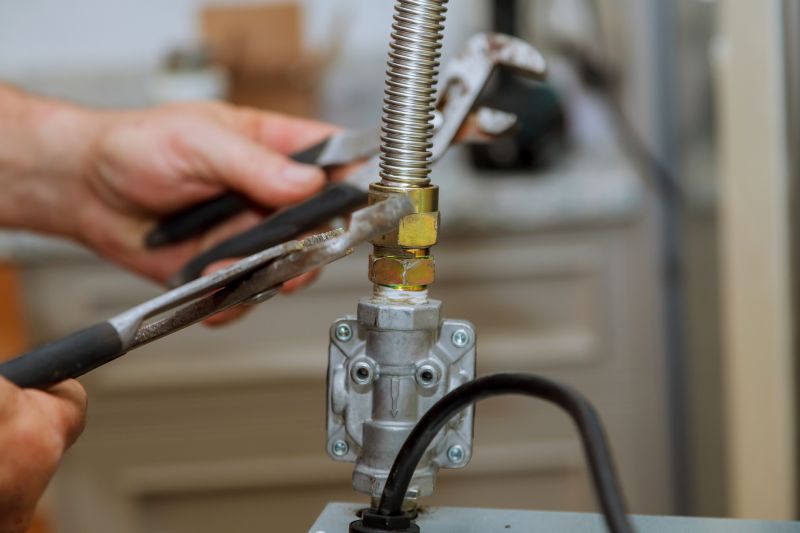
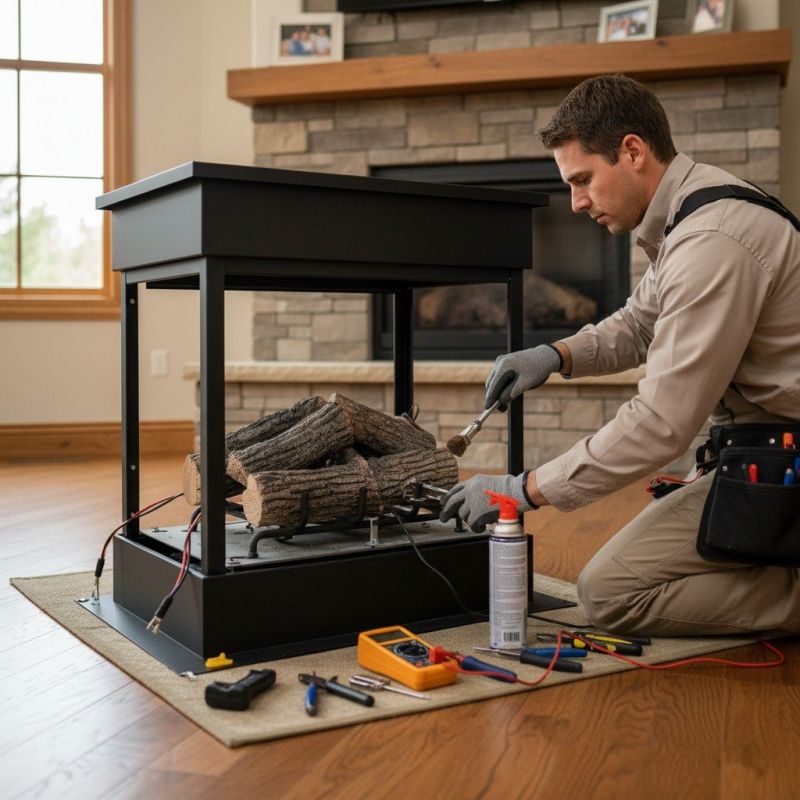
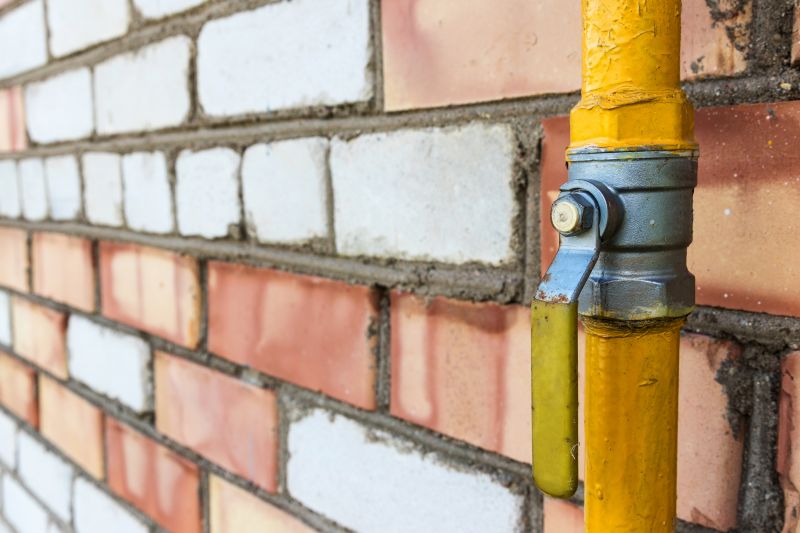
When homeowners search for information about how gas line problems affect fireplace performance, they are often trying to understand why their fireplace isn't functioning as efficiently or safely as it should. These searches typically stem from issues like inconsistent flames, weak heat output, or strange noises coming from the fireplace. Many people are concerned about the safety implications of gas line issues, such as leaks or blockages, which can compromise the overall operation of the fireplace. Understanding the connection between gas line integrity and fireplace performance helps homeowners identify when professional repair or inspection might be necessary to ensure safe, reliable operation.
Gas line problems that impact fireplace performance can include a range of issues, such as clogged or corroded lines, leaks, or improper installation. These problems may cause a fireplace to produce weak or uneven flames, reduce heat output, or prevent the fireplace from igniting altogether. In some cases, gas line issues can lead to dangerous leaks that pose safety risks, including the potential for fire or carbon monoxide buildup. Addressing these problems often involves thorough inspection and repair by experienced service providers who specialize in gas line systems, ensuring the fireplace functions correctly and safely.
The types of properties that typically encounter gas line problems affecting fireplace performance vary widely but often include older homes with original gas plumbing, as well as newer constructions where improper installation or materials may cause issues over time. Residential properties with built-in fireplaces, gas inserts, or standalone gas stoves are common settings where homeowners notice performance problems linked to gas line concerns. Additionally, vacation homes or secondary residences that are infrequently used might develop issues due to corrosion, leaks, or pressure loss in the gas lines, leading to performance disruptions when the fireplace is needed most.
Local service providers who handle gas line problem repairs are equipped to diagnose and resolve these issues efficiently. They can perform comprehensive inspections to identify leaks, blockages, or corrosion, and then carry out repairs or replacements as needed. Connecting with experienced contractors ensures that gas lines are restored to proper working condition, which directly improves fireplace performance. Whether dealing with ignition problems, inconsistent flames, or safety concerns, these professionals play a crucial role in maintaining the safe and effective operation of gas-powered fireplaces in a variety of property types.
Gas line installation projects - these involve planning and executing proper gas piping setups, which are essential skills for diagnosing and repairing issues that impact fireplace performance.
Gas leak detection services - identifying and resolving leaks requires knowledge of gas line systems, directly relating to how gas line problems can affect fireplace safety and operation.
Fireplace venting and exhaust system upgrades - ensuring proper venting can prevent gas buildup and performance issues caused by gas line problems.
Gas appliance hookup and repair - connecting and maintaining gas appliances involves understanding gas lines, which is crucial for resolving fireplace performance issues linked to gas supply problems.
Gas line rerouting and upgrades - modifying existing gas lines to improve safety and efficiency can help address underlying issues affecting fireplace operation.
Indoor gas piping inspections - thorough assessments of gas lines help identify problems that may impair fireplace performance and safety.
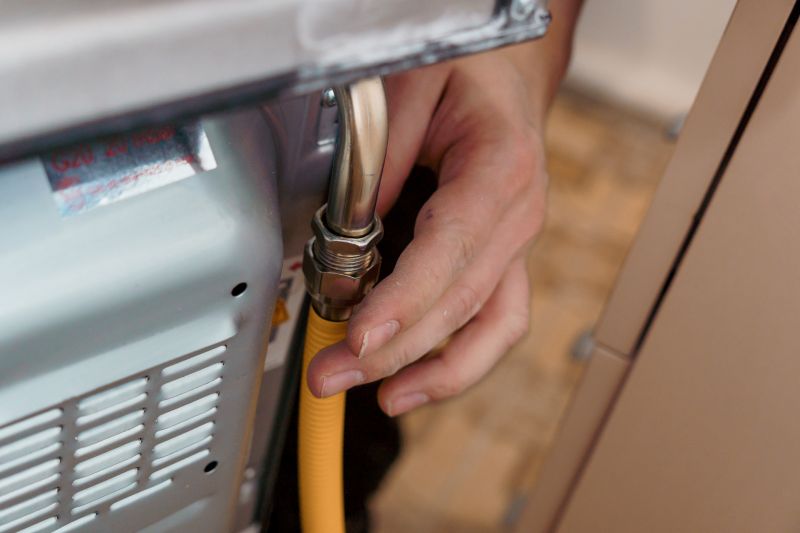
When comparing service providers for gas line problem repair related to fireplace performance, it is important to consider their experience with similar projects. Homeowners should inquire about the types of gas line issues they have handled and whether they have worked with fireplaces or gas appliances comparable to their own. An experienced contractor will typically have a better understanding of how gas line problems can impact fireplace function, ensuring that the repair work addresses the root cause effectively. This background can lead to more reliable results and help prevent future issues that could compromise safety or efficiency.
Clear written expectations are essential when evaluating local contractors for gas line repairs. Homeowners should seek detailed descriptions of the services offered, including the scope of work, estimated procedures, and any warranties or guarantees. Having this information in writing helps to establish a mutual understanding and reduces the risk of misunderstandings. It also provides a basis for comparing different service providers to ensure that the repair process aligns with the homeowner’s concerns about how gas line problems may be affecting fireplace performance.
Reputable references and good communication are key factors in selecting a dependable service provider. Homeowners can ask for recommendations or reviews from previous clients to gauge the quality of work and professionalism. Additionally, observing how promptly and clearly the contractor communicates during initial inquiries can be indicative of their reliability and customer service approach. Service providers who prioritize transparent communication and have positive references are more likely to deliver a smooth repair experience, ensuring that issues with gas lines are resolved properly and that fireplace performance is restored safely and efficiently.
Property owners often search for how gas line problems affect fireplace performance when they are planning practical projects around their homes and businesses. Local pros provide Gas Line Problem Repair services for everyday jobs and straightforward project options.
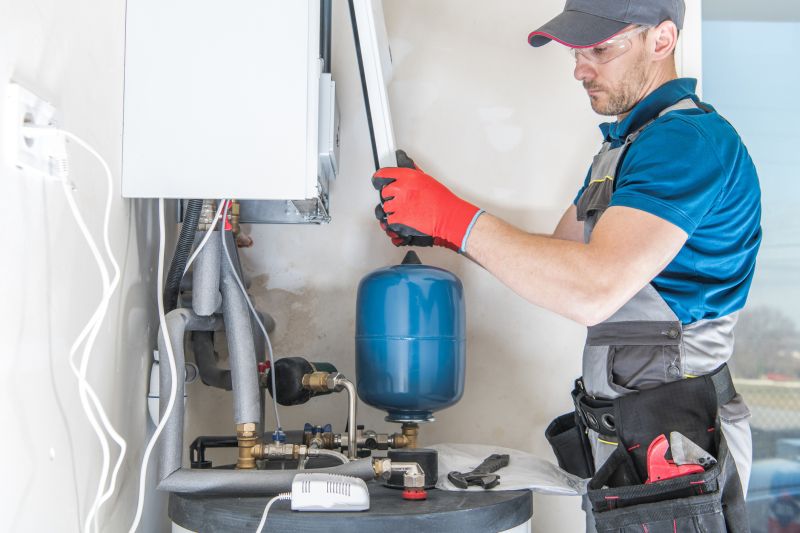
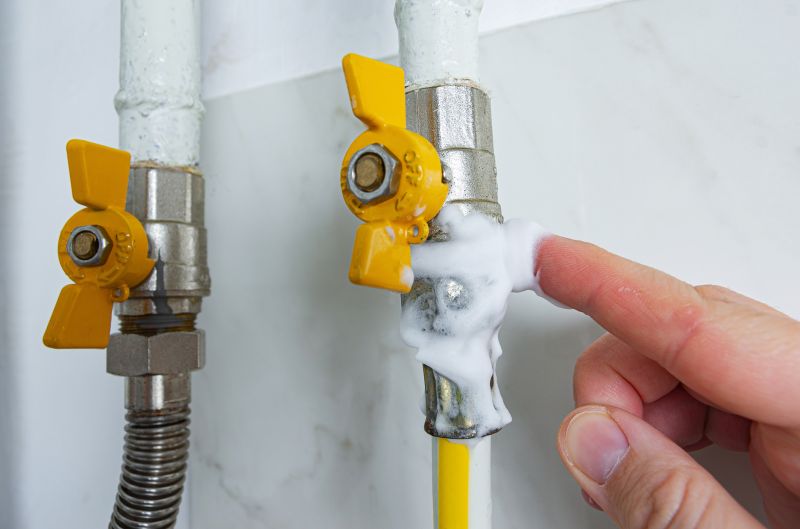
Gas line problems can significantly impact the performance of a fireplace, especially when issues cause inconsistent gas flow or leaks. Property owners in the area often seek out information on this topic after noticing problems such as weak flames, difficulty igniting the fireplace, or unusual odors. These signs may indicate underlying gas line concerns that could compromise safety and fireplace efficiency. Local contractors experienced in gas line repair can assess the situation, identify the root causes, and perform the necessary repairs to restore proper function and safety.
Understanding how gas line problems affect fireplace performance can help property owners determine when to seek professional assistance. Faulty or damaged gas lines may lead to uneven heating, delayed ignition, or even dangerous leaks that pose safety risks. Property owners looking to ensure their fireplace operates safely and effectively often turn to trusted service providers in the area who specialize in gas line repairs. These local experts can evaluate the system, address any issues, and help maintain the fireplace’s optimal performance.
How do gas line problems impact fireplace performance? Gas line issues can cause inconsistent or weak flames, reduce heat output, and sometimes prevent the fireplace from igniting properly, affecting overall performance.
What are common signs of gas line problems in a fireplace? Signs include hissing sounds, the smell of gas, pilot light flickering or going out frequently, and irregular flame patterns, which indicate potential gas line issues.
Why should a professional handle gas line repairs for fireplaces? Because gas line problems can be hazardous, local service providers have the expertise to diagnose and repair issues safely, ensuring proper operation and safety standards are met.
Can gas line problems cause safety concerns in fireplaces? Yes, issues like leaks or blockages can lead to dangerous conditions such as gas buildup or fire hazards, making professional repairs essential for safety.
How do gas line repairs improve fireplace performance? Proper repairs restore consistent gas flow, improve flame quality, and ensure the fireplace operates efficiently and safely, enhancing overall performance.
Identify gas line leaks - Regular inspections by local contractors can help detect leaks that may impair fireplace performance, ensuring safe and efficient operation.
Ensure proper gas line connections - Properly installed and maintained connections prevent pressure issues that can cause the fireplace to malfunction or produce uneven flames.
Replace damaged gas lines - Upgrading or repairing corroded or cracked gas lines with the help of local service providers can restore optimal fireplace function.
Test gas pressure levels - Local pros can assess pressure levels to ensure the gas line delivers consistent flow, supporting reliable fireplace performance.
If you are thinking about how gas line problems affect fireplace performance for a property, this guide is meant to help you understand this topic, the typical project types, and how different options might fit your plans.
When you are ready, you can use the quote form on this page to share a few details about your project. From there, local pros can review the basics and follow up with options that match what you have in mind.